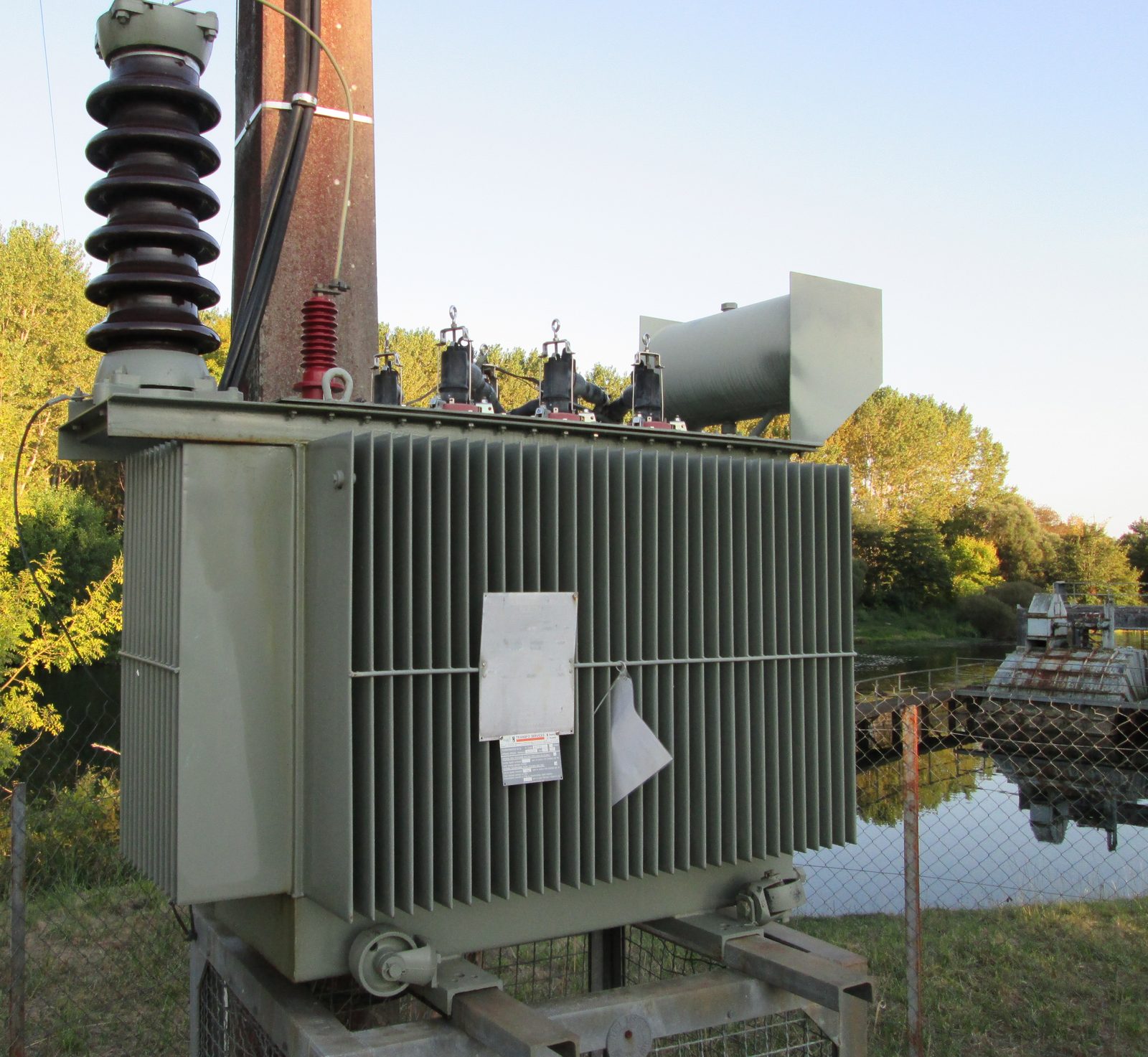
A 46 kV rating is a starting point, not a complete description
If you have a used, surplus, or decommissioned 46 kV transformer in Alaska, we buy transformers and do not sell them. We consider all voltage classes, including units removed from service and equipment retained as a spare. A 46 kV marking helps identify the asset, but does not by itself establish the transformer’s full design or whether it is suitable for purchase. Each unit and its logistics are reviewed before any offer is made.
When you contact us, say whether the transformer is available now or will be released after a planned project. Identify which winding carries the 46 kV rating, and share the primary and secondary voltages, phase, kVA, and tap information if available. For higher-voltage equipment, winding ratings, system designation, and insulation information are distinct details; include available nameplate insulation and bushing data rather than relying on the voltage marking alone.
Use the nameplate and existing records to identify the unit
The nameplate is often the most useful starting point for describing a transformer. If it is safe, provide a photograph of the full exterior and a clear image of the plate. Record its information as written, including manufacturer, model, serial number, voltage ratings, capacity, phase, frequency, cooling designation, taps, and connection details. A photo of the surroundings can also show whether the unit is indoors, on a pad, elevated, or in storage. Do not open a cabinet or approach energized parts to obtain photographs.
If the plate is missing or unreadable, say so and share any existing drawings or asset records. Do not guess at missing values. For multiple transformers, provide a separate entry for each serial number and distinguish the units from connected switchgear, spare parts, or other equipment. This helps establish exactly which assets are included in a possible purchase.
Describe condition without undertaking new testing
The review may consider physical condition, age if known, cooling arrangement, winding information, accessories, and the number of units. Explain whether each transformer was operating before removal, was stored as a spare, or has an unknown history. Where observable without creating a hazard, note corrosion, impact damage, missing bushings, open enclosures, or signs of leakage. If repairs are documented, existing service records may help; do not present an undocumented repair as verified.
No seller testing is required to request a review or cash offer. Existing information may be shared, and unknown details should be identified as unknown rather than filled in by assumption. Do not energize, disconnect, lift, open, drain, or sample a transformer for the purpose of obtaining an offer. Electrical isolation and removal work must be handled by appropriately qualified personnel under site procedures and applicable rules.
Disclose fluid information and known hazards
If known, report the type and presence of insulating liquid, any visible leakage, and existing records relating to polychlorinated biphenyls (PCBs). If the fluid or PCB status is unknown, state that plainly; unknown status is not proof that equipment is safe or that it will be accepted. Existing documents can inform the review, but you do not need to conduct testing simply to submit the transformer for consideration.
Fluid management, environmental requirements, packaging, and transport depend on assessment of the particular equipment and applicable requirements. Any hazardous condition is subject to review. Providing a candid account of what is known—and what is not—helps determine whether the equipment and its handling can be considered.
Plan access around the actual Alaska site
Pickup planning depends on the equipment’s location and site conditions, not just the nearest town. Share whether a truck can reach the transformer, the surface condition, gate and doorway dimensions, overhead obstructions, and any appointment or security requirements. Measured length, width, height, and weight are useful if known. List loose radiators or other accessories separately, and identify bushings or connection assemblies that extend beyond the enclosure. Transport dimensions and handling arrangements should be based on the actual unit, not its voltage rating.
A shipment may involve local trucking, a staging area, a terminal, or another freight connection; the practical route depends on the site and available service. Weather, seasonal conditions, lift capacity, and required handling can affect scheduling. We cover freight for equipment we agree to buy, with pickup arrangements coordinated for the particular unit and site. Share changes in access, condition, or readiness so the plan can be reassessed.
Review, agreement, and a clear handoff
To request a cash offer, provide the available nameplate details, photographs, equipment location, and a contact who can answer access questions. We may ask for clarification about condition, ownership, timing, or the freight route. If the equipment and logistics are suitable, we make a cash offer for the identified assets; an offer or purchase is not guaranteed before review and agreement. The person accepting terms should have authority to sell the equipment and arrange its release.
For equipment we agree to buy, payment is upfront and freight is covered under the agreed purchase. Confirm the amount, payment method, timing, included assets, and pickup arrangements before proceeding. Before release, identify who will provide access, where the driver should report, and whether the transformer and included parts are in the agreed location. If it remains connected, elevated, leaking, or in a restricted area, disclose that status rather than assuming it is ready to load.