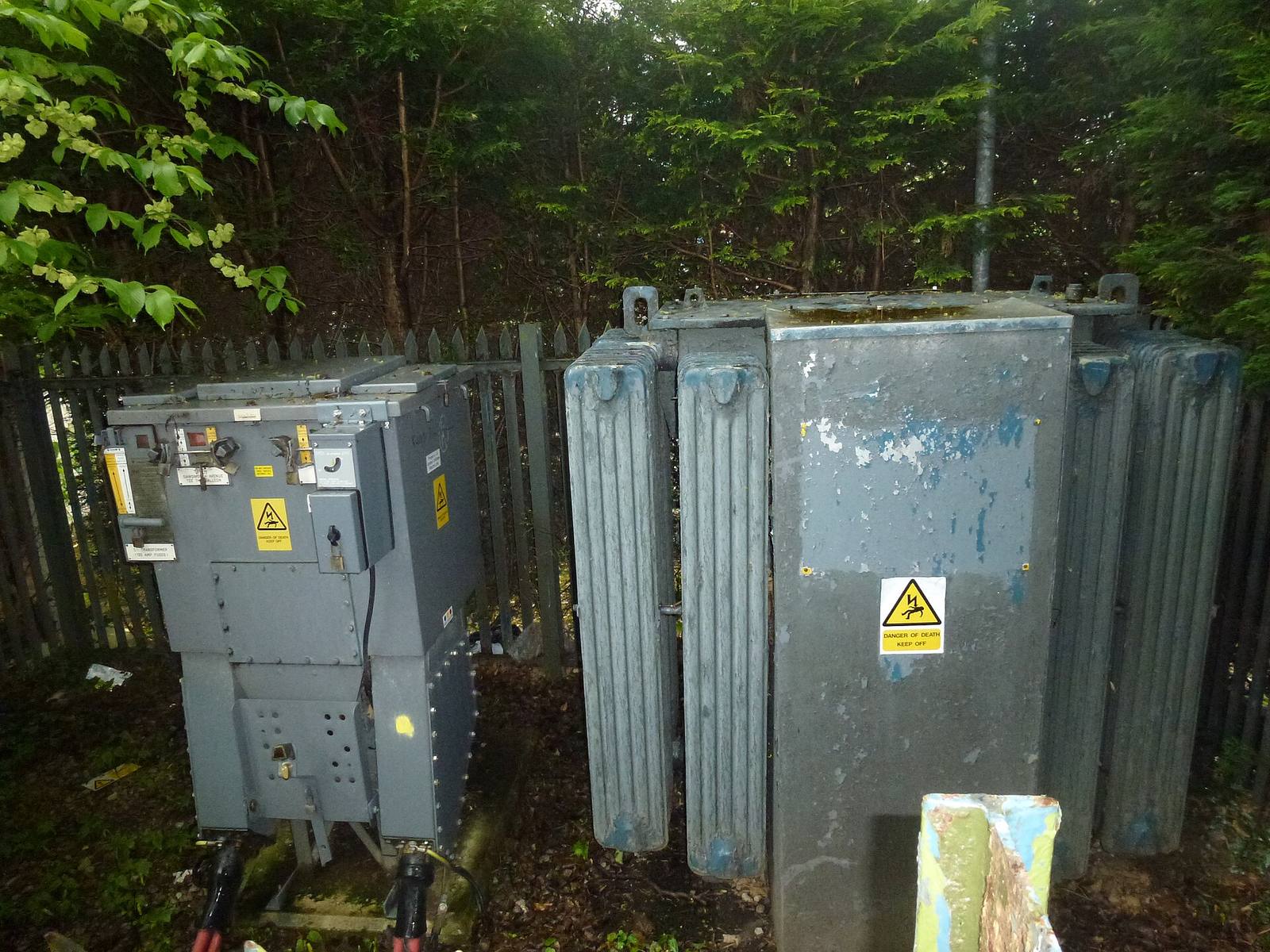
Industrial control transformers: identify what is available
If you are retiring or releasing industrial control transformers in Alaska, we buy used, surplus, and decommissioned equipment. We buy transformers; we do not sell them. A request starts with the specific asset and its circumstances, since a review does not mean every unit will qualify. All voltage classes are considered, including equipment removed from service and units held as spares. Let us know whether a transformer is ready now or will become available after a planned project.
Industrial control transformers are often smaller than site distribution units, so clarify what is included. Identify whether the transformer is standalone or remains mounted inside a control cabinet, and give its actual VA or kVA rating. If several units are involved, distinguish each transformer from connected switchgear, spare parts, and other equipment.
Use the nameplate and existing records
The nameplate is a useful starting point for identifying a control transformer. Share its manufacturer, model, serial number, rating, primary and secondary voltage, phase, frequency, cooling designation, tap ranges, and connection information where these are shown. Record the values as written; if the plate gives VA rather than kVA, retain that figure. For reference, 1,000 VA equals 1 kVA. If the plate is missing or unreadable, say so and provide any existing drawings or asset records instead of filling gaps with estimates.
Photographs can help show the nameplate, exterior, and surrounding setting, including whether the unit is indoors, on a pad, elevated, or in storage. Only take photographs from a position that does not expose anyone to electrical hazards. Do not open a cabinet or approach energized parts to improve an image. Seller testing is not required to request a review, and existing information may be shared as available.
Describe condition and history accurately
The review may take into account more than the manufacturer and rated capacity. Useful details include age if known, cooling arrangement, winding information, accessories, and the number of units. Explain whether each transformer was operating before removal, has been stored as a spare, or has an unknown history. Note observable corrosion, impact damage, missing bushings, an open enclosure, or signs of leakage when that information can be obtained safely.
If repairs were made, share existing service records when available; do not present an undocumented repair as verified. Disclose what is known about insulating liquid, visible leakage, and any existing records concerning polychlorinated biphenyls (PCBs). Unknown fluid or PCB status should be identified as unknown, not assumed safe or automatically accepted. Any fluid management, environmental requirements, packaging, and transport considerations depend on assessment of the equipment and applicable requirements.
Request a cash offer without seller testing
To begin, provide the available nameplate information, photographs, equipment location, and a contact who can answer access questions. For multiple transformers, list each serial number separately and indicate whether the units could be collected together. Be candid about missing details, ownership, condition, and expected availability. The company may ask for clarification as part of its review; any purchase remains subject to assessment of the equipment and logistics.
For equipment the company agrees to buy, it makes a cash offer. There is no seller testing required to request a review, and existing records or photographs may be shared without arranging new tests. If an offer is made and accepted, payment is upfront and the buyer covers freight under the agreed purchase. Before proceeding, confirm the amount, payment method, timing, assets included, and pickup arrangements. The person accepting the offer should have authority to sell the equipment and arrange its release.
Plan access and freight around the actual site
For an Alaska pickup, describe the equipment’s actual location rather than only naming the nearest town. Explain whether a truck can reach the unit, the condition of the surface, gate and doorway dimensions, overhead obstructions, and any appointment or security requirements. If known, provide measured length, width, height, and weight, and identify loose radiators or other accessories separately. The practical freight route depends on the site and service availability; some shipments may involve local trucking, a staging area, a terminal, or another connection.
Weather, seasonal conditions, lift capacity, and handling needs can affect scheduling. Freight is covered by the buyer for an agreed purchase, with pickup arrangements coordinated for the particular equipment and site. If the facility is still active, coordinate the release date with its team. Before pickup, confirm who will provide access, where the driver should report, and whether the transformer and included parts are in the agreed location. Report changes in condition, access, or readiness so the plan can be reassessed.
Make safe disclosure part of the handoff
Do not energize, disconnect, lift, open, drain, or sample a transformer to obtain an offer. Electrical isolation, verification, and removal work must be handled by appropriately qualified personnel under site procedures and applicable rules. If a unit remains connected, is elevated, is leaking, or is behind a restricted area, describe that status rather than assuming it is ready to load.
A clear asset list and accurate description help establish what is being reviewed and what may be released. Existing information is useful, but hazardous conditions and any subsequent handling remain subject to assessment. A purchase is not assumed until the equipment and logistics have been reviewed and both parties agree on terms.